Period pain affects millions of women worldwide, yet it remains widely underestimated and often dismissed as something that simply has to be endured. Although painkillers are frequently recommended, they do not work for everyone and may fail to address the underlying factors contributing to symptoms.
I know this from personal experience. It was only after making a number of lifestyle and dietary changes that I began to notice a significant improvement in my symptoms. While everyone’s experience is different, exploring alternative approaches—including lifestyle and dietary changes—may offer additional ways to manage period pain and improve quality of life. If period pain is affecting your daily life and you’d like tailored guidance, I’d love to help.
If you’d like to learn more about the causes of period pain and the role diet may play, keep reading. If you’re looking for personalised support, you can book a free discovery call to discuss your symptoms and explore whether nutritional therapy is right for you.

What is dysmenorrhea?
Dysmenorrhea is the medical term for period pain. There are two main types: primary dysmenorrhea and secondary dysmenorrhea. Secondary dysmenorrhea is caused by an underlying condition (such as endometriosis, adenomyosis, uterine fibroids, or ovarian cysts), whereas primary dysmenorrhea occurs without an identifiable medical condition (Martinez et al. 2018).
Although period pain is often thought of as cramping in the lower abdomen, it can come with a range of other symptoms. Many women experience pain that radiates to the lower back and inner thighs, as well as nausea, vomiting, diarrhoea, bloating, and fatigue (Rowe et al. 2020; Troconis et al. 2021).
If you regularly dread your period because of pain or other symptoms, you’re not alone. Period pain is one of the most common menstrual complaints among women of reproductive age.
Are prostaglandins the real culprit?
To understand the link between diet and period pain, it helps to understand what happens in the body before menstruation.
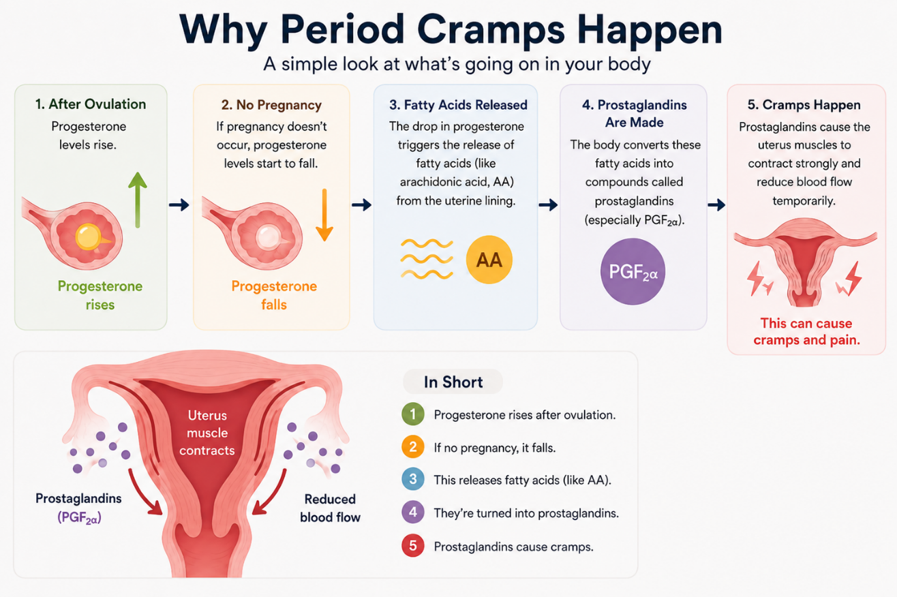
After ovulation, progesterone levels rise. If pregnancy does not occur, progesterone levels begin to fall towards the end of the menstrual cycle. This drop triggers the release of certain fatty acids, including arachidonic acid (AA), from the lining of the uterus.
The body then uses these fatty acids to produce compounds called prostaglandins and leukotrienes. Prostaglandins, especially PGF2α, are thought to be one of the main drivers of period pain. They cause the muscles of the uterus to contract more strongly and can reduce blood flow to the uterine tissue. This temporary reduction in oxygen supply may contribute to the cramping and pain experienced during menstruation (Rowe et al. 2020).
In simple terms, women with painful periods often produce higher levels of prostaglandins, leading to stronger uterine contractions and more intense cramps. This is one reason researchers are interested in whether diet can influence inflammation.
What factors can increase the risk of period pain?
There is no single cause of primary dysmenorrhea, and researchers believe that several factors may increase the risk of developing painful periods.
Some of these factors cannot be changed, such as having your first period at a young age, being under the age of 30, not having had children, or having a family history of period pain. Other factors that have been linked to dysmenorrhea include heavy or irregular periods, smoking and alcohol consumption, although not all studies agree on the role of smoking and alcohol (Rowe et al. 2020; Troconis et al. 2021).
Life circumstances may also play a role. Studies have linked period pain to high levels of stress, low social support, major life changes, difficult personal relationships, and a history of sexual assault (Rowe et al. 2020; Troconis et al. 2021).
One factor that has received increasing attention in recent years is diet. Many studies have found that women with poorer dietary habits are more likely to experience primary dysmenorrhea.
Can a healthier diet help reduce period pain?
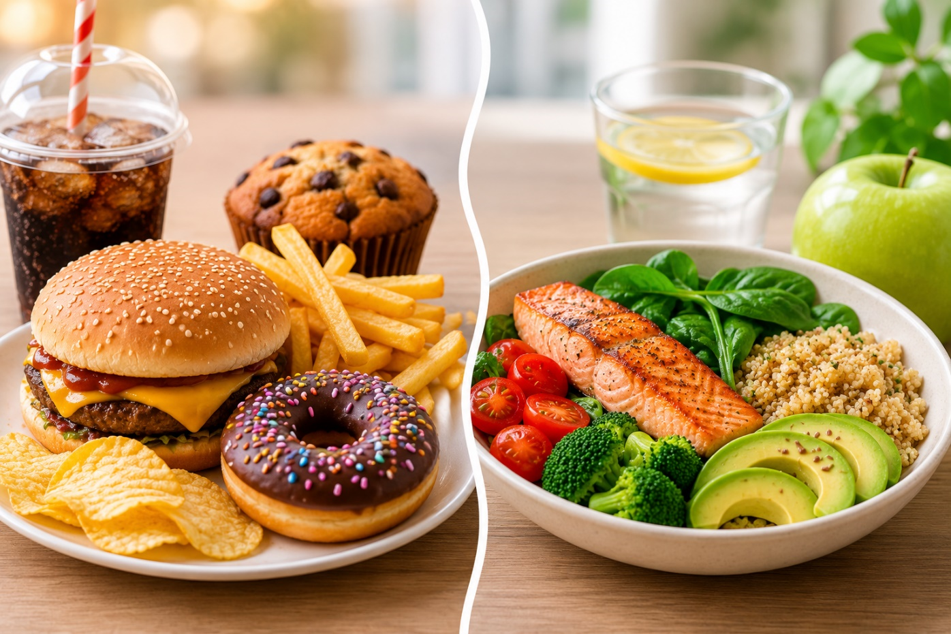
Many of the foods commonly eaten today, such as fast food, sweets, sugary drinks, and highly processed snacks, tend to be high in calories, sugar, saturated fat, and salt, while being relatively low in fibre, vitamins, and minerals.
Researchers have become increasingly interested in whether dietary habits may influence menstrual health. One recent study found that women with menstrual disorders consumed lower amounts of several nutrients, including protein, vitamin K, vitamin B3, and vitamin B5, compared with women without menstrual disorders (Güzeldere et al. 2024).
While diet is unlikely to be the only factor involved in period pain, a growing number of studies suggest that what we eat may play a role.
What do the studies show?
Several studies have found that women with poorer dietary habits are more likely to experience primary dysmenorrhea.
For example, a recent study found that students who regularly consumed fast food were around three times more likely to experience period pain than those with healthier dietary habits (Hidayah et al. 2026).
Other studies have reported links between dysmenorrhea and frequent consumption of sweets, sugary foods, soft drinks, and other highly processed foods (Wang and Zhu 2025; Hailemeskel et al. 2016; Güzeldere et al. 2024).
Although these studies cannot prove that specific foods directly cause period pain, the findings consistently point towards a relationship between overall diet quality and menstrual symptoms.
What about sugar?
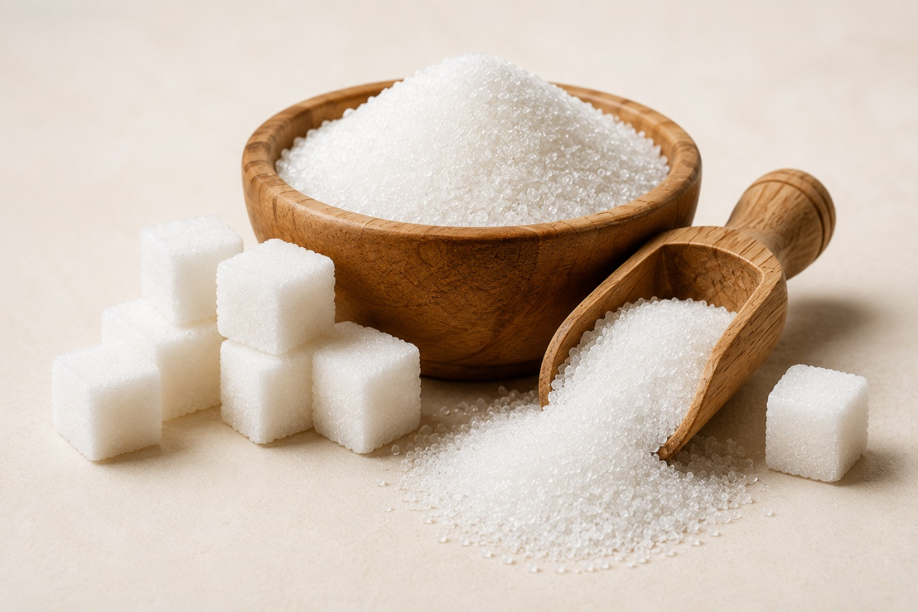
Sugar is one of the dietary factors most consistently linked to dysmenorrhea.
In a study of Indonesian university students, women who consumed higher amounts of sugar and sugary drinks were more likely to experience dysmenorrhea (Rhamadan et al. 2023).
Similar findings have been reported in other countries. Husban et al. (2022) found that Jordanian students who consumed more sugar, fizzy drinks, and energy drinks experienced a higher prevalence of period pain. Martinez et al. (2018) also reported an association between cola consumption and dysmenorrhea, while Hidayah et al. (2026) found that period pain was more common among students with a higher intake of sugary foods.
Taken together, these studies suggest that diets high in added sugar may be linked to more frequent or more severe menstrual pain.
Why might sugar be linked to period pain?
Researchers are still investigating the exact reason for this relationship. One theory is that a diet high in sugar may affect the body’s ability to absorb and use certain vitamins and minerals that are important for normal muscle function. This could potentially contribute to stronger uterine contractions and increased menstrual pain (Hailemeskel et al. 2016).
Another possibility is that diets high in added sugar may contribute to inflammation. Because prostaglandins play a key role in both inflammation and menstrual pain, researchers have suggested that this could be one way in which high sugar intake influences dysmenorrhea (Barcikowska et al. 2020).
While the exact mechanism remains unclear, the consistent finding across multiple studies is that women who consume more sugary foods and drinks tend to report more dysmenorrhea than those who consume less.
Can coffee make period pain worse?
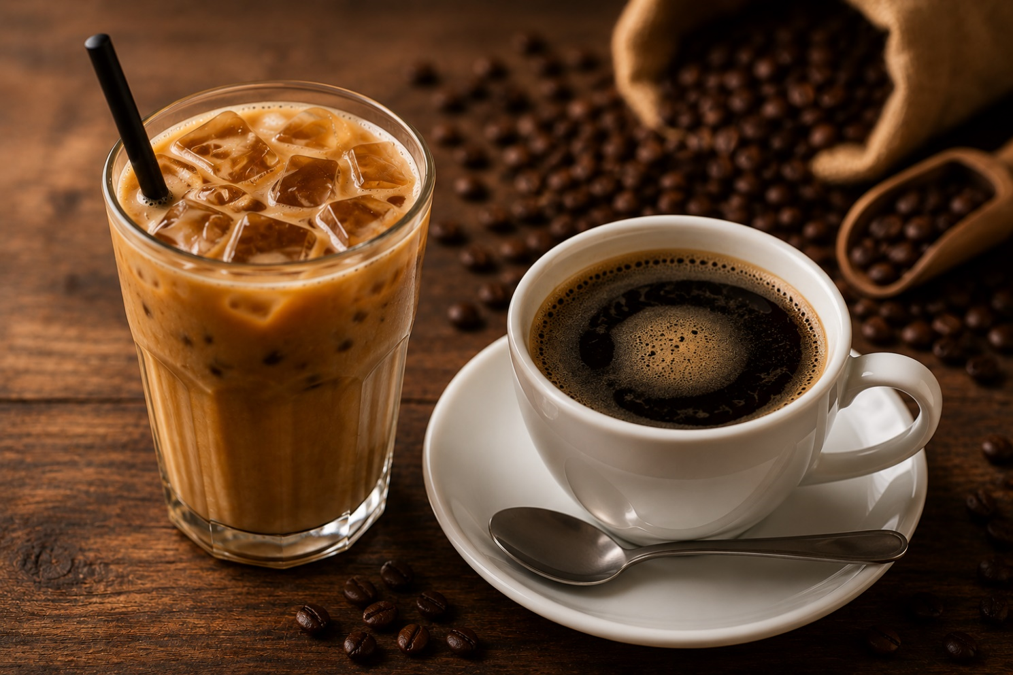
Some studies have found a link between high caffeine intake and more severe period pain. For example, one study found that women who consumed 300 mg of caffeine or more per day (roughly 3–4 cups of coffee) were more likely to experience dysmenorrhea (Rhamadan et al. 2023). The researchers suggested that caffeine may reduce blood flow to the uterus, which could make cramps feel worse.
Similar findings have been reported in other studies. Husban et al. (2022) found that university students who drank coffee more frequently tended to report more severe period pain. Kartal and Akyuz (2018) also found that women experienced less menstrual pain after following a healthier diet that included limiting caffeine intake. However, because the diet involved several changes at the same time, we cannot know whether the improvement came from drinking less caffeine, eating a healthier diet overall, or a combination of both.
It’s also worth keeping in mind that these studies did not clearly distinguish between black coffee and sweetened coffee drinks. People who drink a lot of coffee may also consume more sugar through sweetened coffees, syrups, and flavoured drinks, which could affect menstrual symptoms. This makes it difficult to know whether caffeine itself is responsible for the increased pain.
While coffee has not been proven to cause period pain, several studies have found that women who consume large amounts of caffeine tend to report worse symptoms. If you regularly drink several coffees a day and struggle with painful periods, cutting back to a more moderate intake may be worth trying to see if it makes a difference.
What seemed to help?
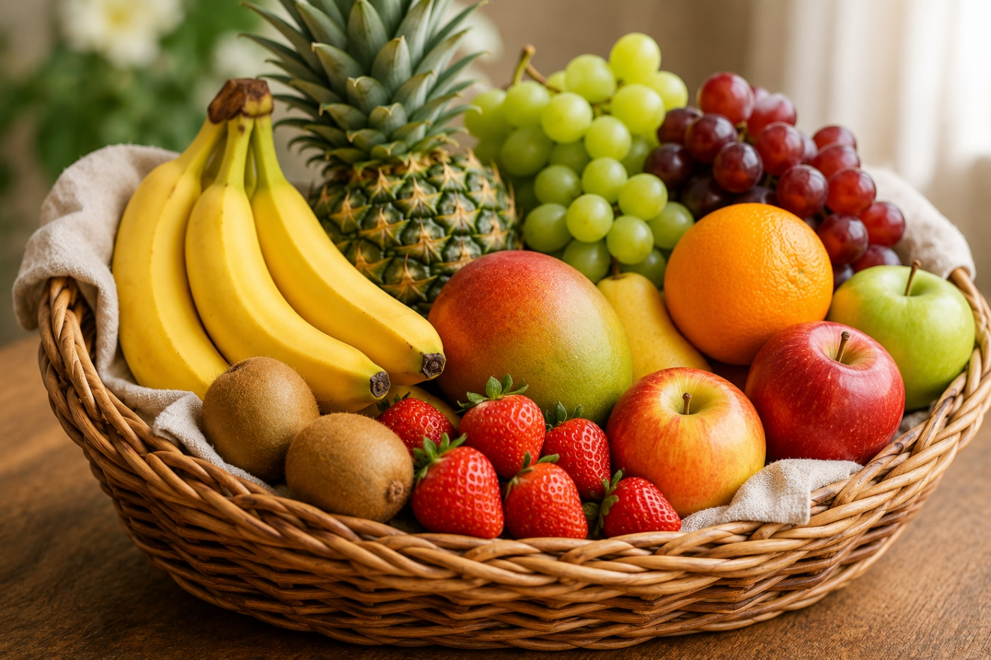
Some studies have identified eating habits that were associated with less severe menstrual cramps.
- In a study of Spanish university students, women who ate more fruit tended to report less period pain (Zafra et al. 2020).
- In another study, women followed a healthier eating plan for three months that included more fibre-rich, complex carbohydrates, less caffeine, and fewer carbonated drinks. By the end of the study, they reported less frequent and less severe period pain (Kartal and Akyuz, 2018).
While these studies cannot tell us exactly which dietary changes made the biggest difference, they suggest that an overall healthy dietary pattern may help reduce menstrual symptoms.
Key takeaways
- Limit sugary drinks, sweets, and highly processed foods.
- Eat more fruit and fibre-rich foods.
- Consider reducing excessive caffeine intake.
- Focus on improving overall diet quality rather than avoiding a single food.
Could nutrition help your period pain too?
I know how frustrating painful periods can be because I struggled with them myself for years. Making changes to my diet had a significant impact on my symptoms and inspired me to learn more about the connection between food and menstrual health.
If you’re tired of relying on painkillers every month and would like to explore whether your diet could be contributing to your symptoms, I’d love to help. Click here to book a free discovery call and we can discuss your current diet, your symptoms, and whether nutrition support may be right for you.
However, if your period pain is severe, getting worse, or interfering with daily life, it is important to speak with your GP or healthcare provider to rule out any underlying conditions.
References:
Barcikowska, Z. et al. (2020) ‘Inflammatory Markers in Dysmenorrhea and Therapeutic Options’, Int. J. Environ. Res. Public Health, 17(4), p. 1191
Güzeldere, H.K.B. et al. (2024). ‘The relationship between dietary habits and menstruation problems in women: a cross-sectional study’, BMC Women’s Health, (24)397, pp.1-8
Hailemeskel,S. et al. (2016). ‘Primary dysmenorrhea magnitude, associated risk factors, and its effect on academic performance: evidence from female university students in Ethiopia’, International Journal of Women’s Health, pp. 489-496
Hidayah, C.F. et al. (2026). ‘Primary dysmenorrhea levels based on food consumption and dietary habits in female student at YWKA High School Bandung’, Journal Kesehatan Masyarakat, 14(2), pp. 422-436
Husban N.A. et al. (2022). ‘The Influence of Lifestyle Variables on Primary Dysmenorrhea: A Cross-Sectional Study’, International Journal of Women’s Health, pp. 545-553
Kartal, Y.A and Akyuz, E.Y. (2018), ‘The effect of diet on primary dysmenorrhea in university students: A randomized controlled clinical trial’, Pak J Med Sci, 34(6), pp. 1478-1482
Martinez, E.F. et al. (2018). ‘Lifestyle and prevalence of dysmenorrhea among Spanish female university students’, PloS One, 3(8), pp.1-11
Rhamadan, R. et al. (2023). ‘Sugary Food and Beverages Consumption, Family History, and Primary Dysmenorrhea in Undergraduate Students, Faculty of Public Health, Universitas Indonesia’, Indonesian Journal of Public Health Nutrition, (4)1, pp. 32-45
Rowe, E.F. et al. (2020). ‘Primary Dysmenorrhea Diagnosis and Therapy’, Obstetrics and Gynaecology, 136(5), pp1047–1058
Troconis, J.N. et al. (2021). ‘Primary Dysmenorrhea: pathophysiology’, Invest Clin 62(4), pp. 378 – 406
Wang, Y.L. and Zhu, H.L. (2025). ‘The prevalence and associated risk factors of primary dysmenorrhea among women in Beijing: a cross sectional study’, Scientific reports
Zafra, M.D.O et al. (2020). ‘Relationship between Diet, Menstrual Pain and other Menstrual Characteristics among Spanish Students’, Nutrients, 12(6), p.1759