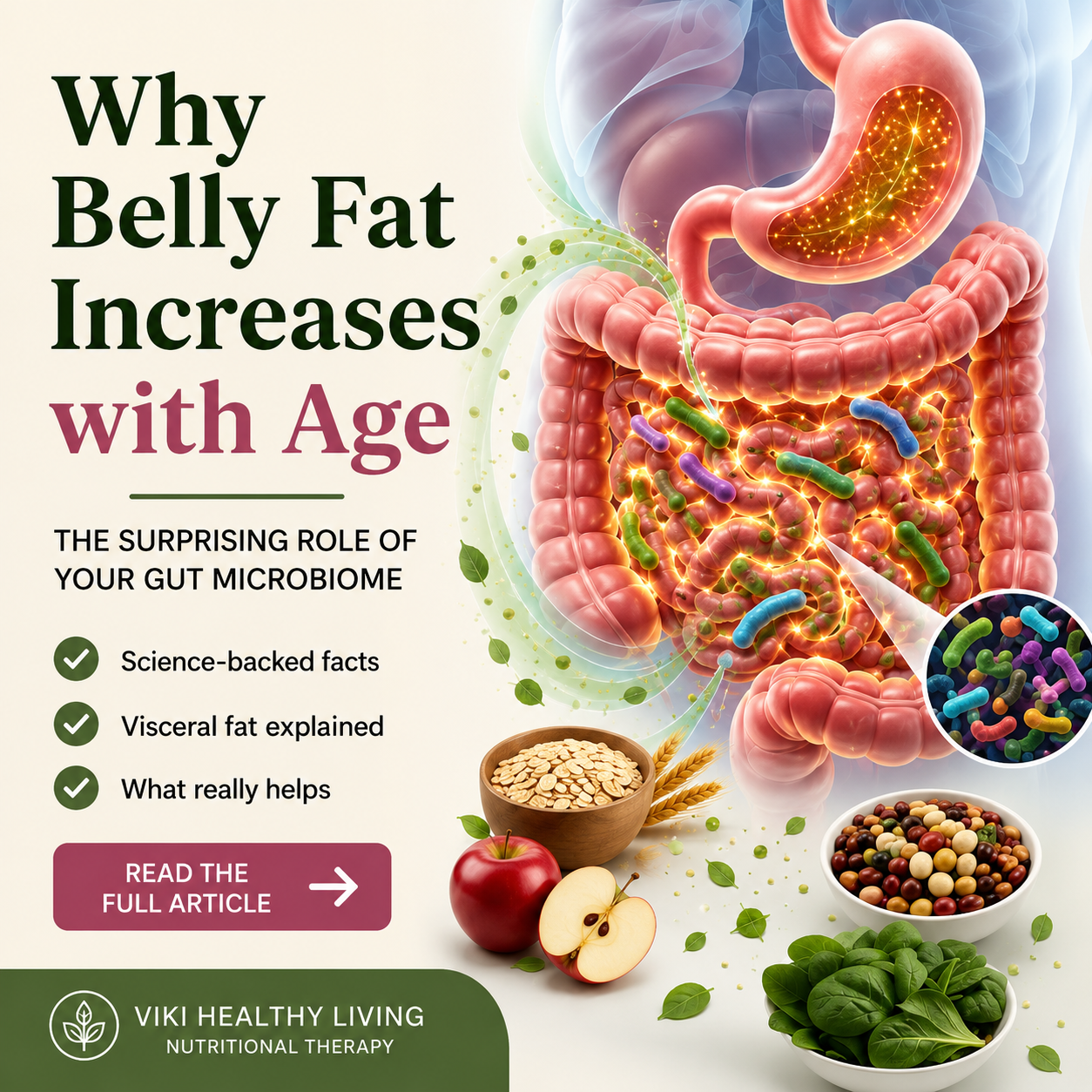
Weight gain is a growing health concern. However, the number on the scale does not tell the whole story. Body fat can be stored in different parts of the body, and where it is stored may have a greater impact on health than the total amount of fat we carry. Fat distribution influences metabolism and disease risk, with abdominal fat being particularly important (Hunter et al. 2010).
What are the two types of belly fat and why are they important?
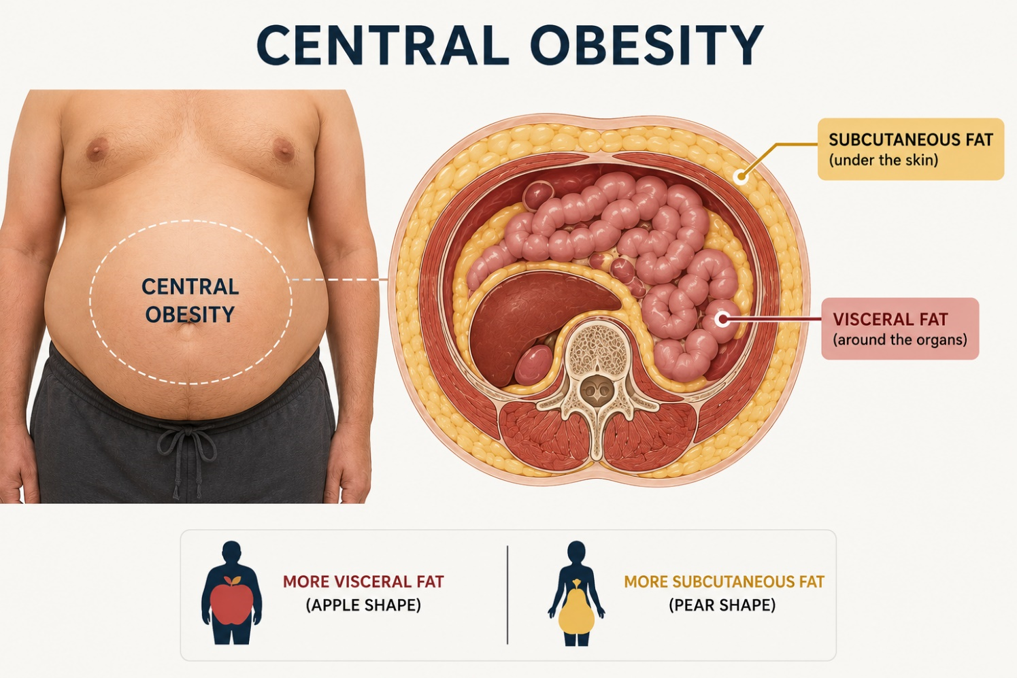
You may have heard of subcutaneous fat and visceral fat. But what exactly are they, and why does the difference matter?
Subcutaneous fat is the fat under the skin, while visceral fat is stored deep inside the abdominal cavity around organs such as the liver and intestines (Hunter et al. 2010).
Excess visceral fat is considered far more harmful than subcutaneous fat because it is metabolically active. It releases inflammatory substances and hormones that contribute to insulin resistance; fatty liver disease; cardiovascular disease and other metabolic disorders (Gummeson et al. 2012) While fat in the legs seems to be less harmful (Hunter et al. 2010).
Why does visceral fat increase with age?
As we age, the body becomes more likely to store fat around the abdomen, particularly as visceral fat. This occurs in both men and women and becomes increasingly noticeable between the ages of 25 and 65. The accumulation of visceral fat is thought to contribute to the increased risk of metabolic diseases seen with ageing (Hunter et al. 2010).
One important factor is the gradual loss of muscle with age. Muscle is metabolically active, meaning it burns energy even at rest. As muscle mass declines, the body requires fewer calories. If food intake remains the same, excess calories are more likely to be stored as body fat (Hunter et al. 2010).
Studies show that adults in their 60s have around 6 kg (13–14 lb) less muscle than those in their 20s while carrying significantly more body fat. However, this increase in body fat still does not fully explain the much larger rise in visceral (deep abdominal) fat with age, suggesting that additional factors are also involved (Hunter et al. 2010).
Ageing is also associated with a redistribution of body fat. Rather than being stored in the arms, legs and face, more fat is deposited around the abdomen, increasing waist circumference and visceral fat (Hunter et al. 2010).
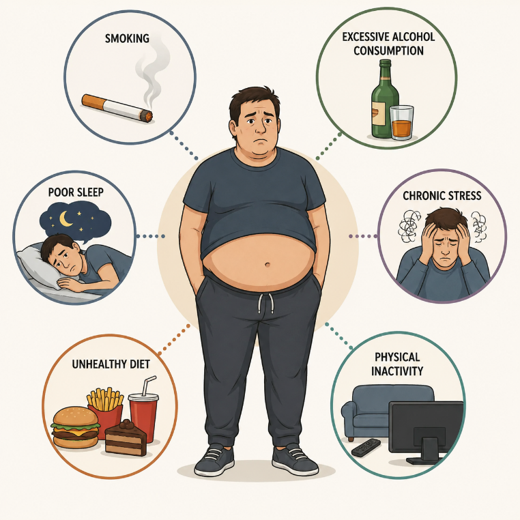
Lifestyle also plays an important role. Smoking, excessive alcohol consumption, chronic stress, poor sleep, an unhealthy diet and physical inactivity have all been associated with increased visceral fat accumulation (Hunter et al. 2010; Geiker et al. 2017).
Why do women gain more belly fat after menopause?
Although both men and women tend to accumulate more visceral fat with age, women often experience an accelerated increase after menopause.
When women go through menopause, oestrogen levels decline. This hormonal change contributes to an increase in abdominal fat and changes how the body stores and uses energy (Palacios et al. 2024).
Oestrogen has several roles in the body apart from reproduction
- In the brain: It affects how the central nervous system controls food intake and energy expenditure
- Regulates the storage of fat and its metabolism
- Regulates insulin sensitivity (Palacios et al. 2024)
Can You Prevent Belly Fat with Age?
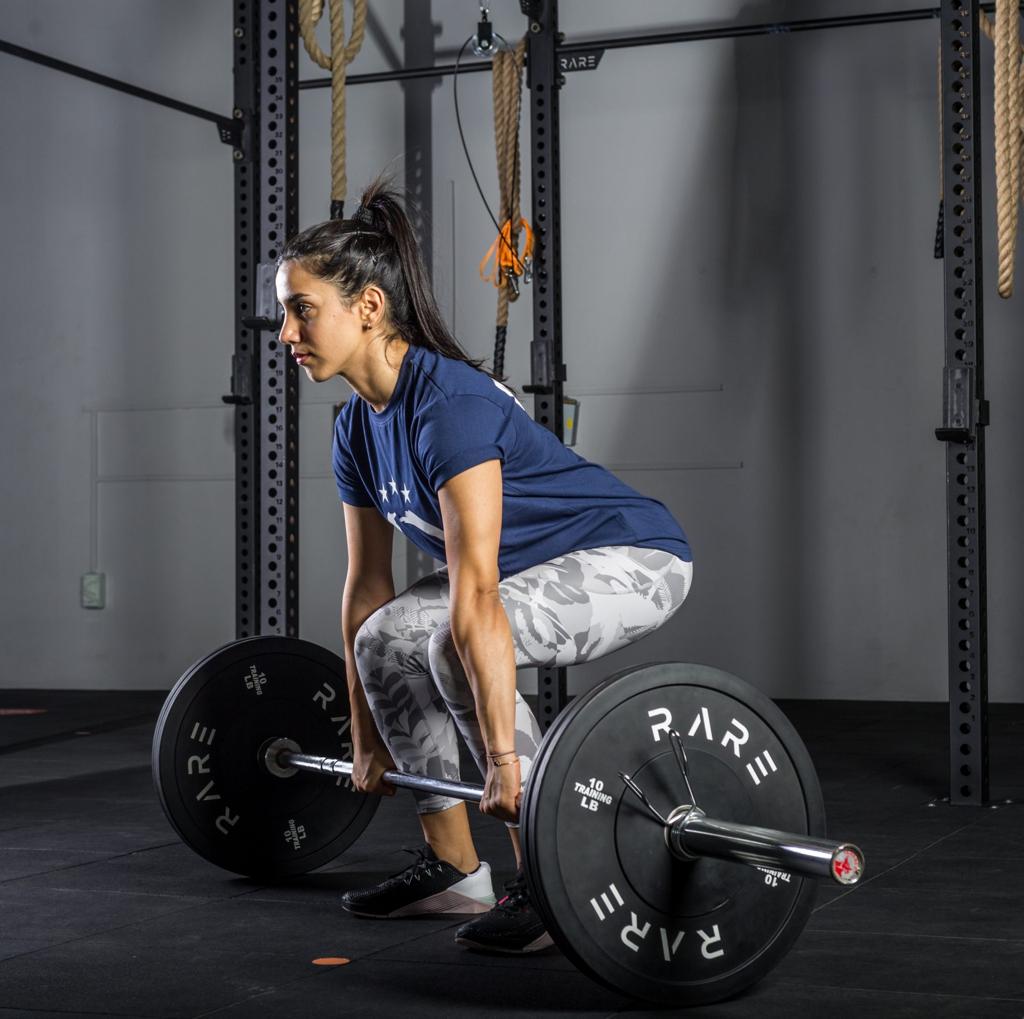
Because muscle loss contributes to visceral fat accumulation, resistance training combined with aerobic exercise is one of the most effective strategies for maintaining muscle mass. Although age-related muscle loss cannot be completely prevented, studies suggest that regular exercise can prevent more than half of it. Continuing to exercise after weight loss is also important for preventing weight regain (Hunter et al. 2010).
The emerging role of gut health
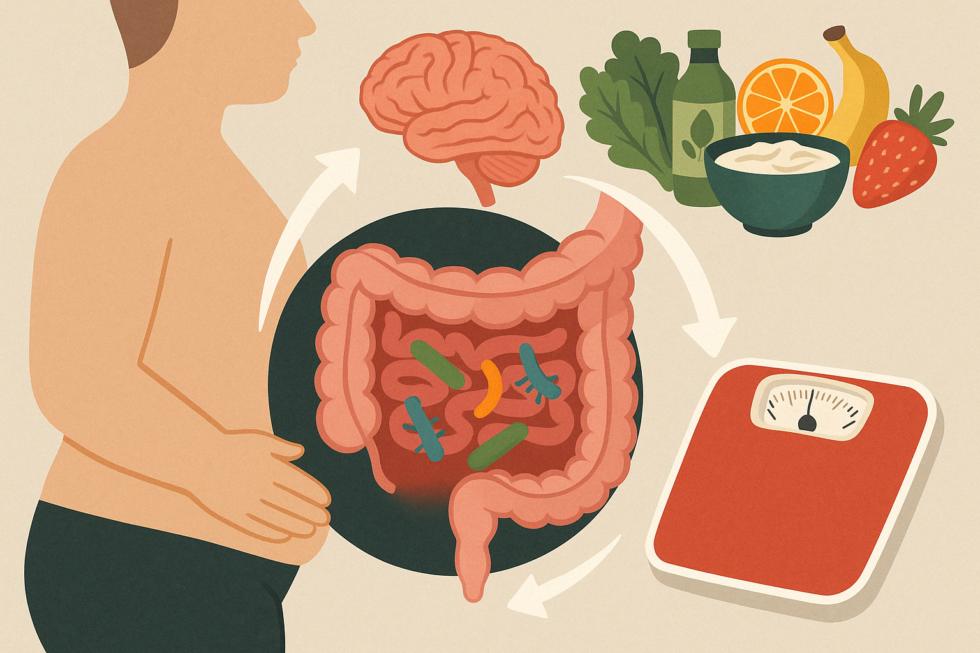
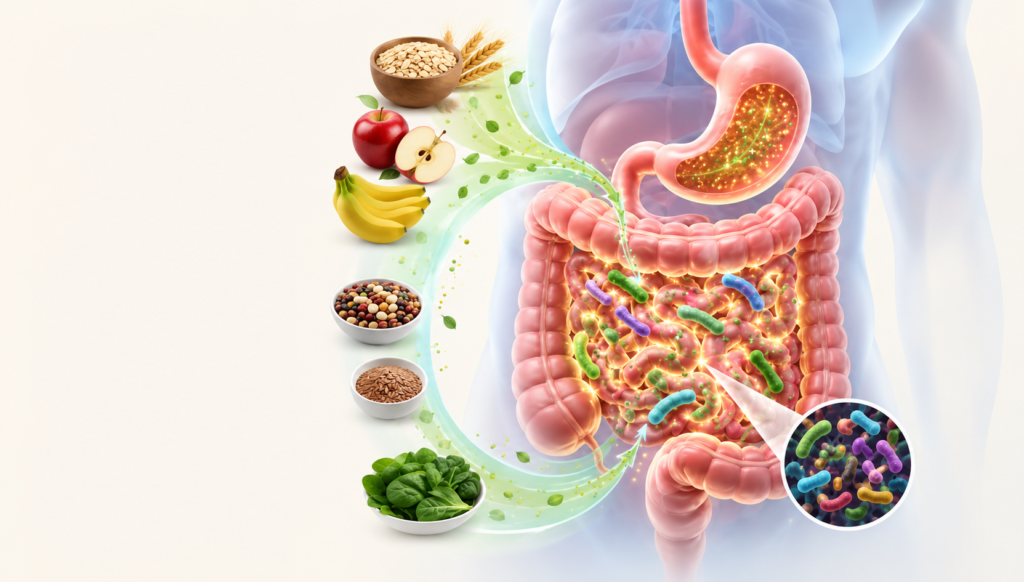
Researchers found that increased intestinal permeability (“leaky gut”) was associated with greater amounts of visceral fat and fat accumulation in the liver. In other words, people with a leakier gut barrier tended to have larger waist circumferences and more visceral fat (Gummesson et al. 2012).
In a study of 201 older adults in Italy, researchers found that people with a more diverse gut microbiome had less visceral fat and better metabolic health. Higher levels of beneficial gut bacteria were also linked with lower levels of chronic inflammation, suggesting that gut health may play an important role in healthy ageing (Tavella et al. 2021)
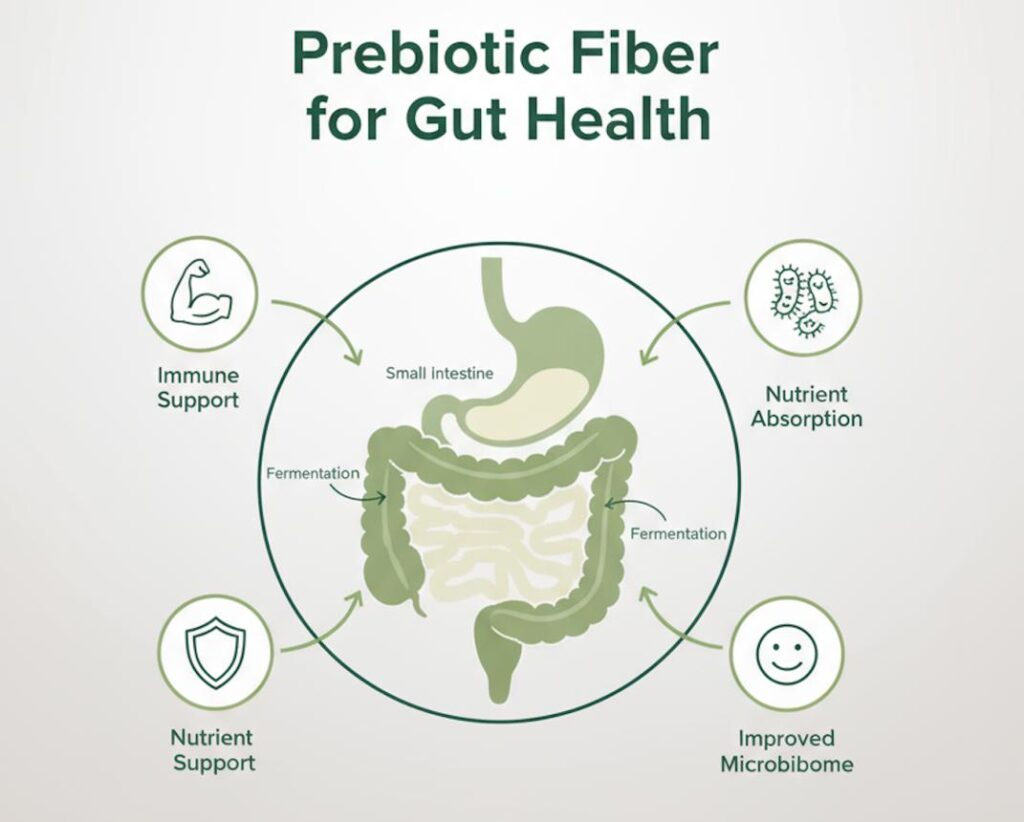
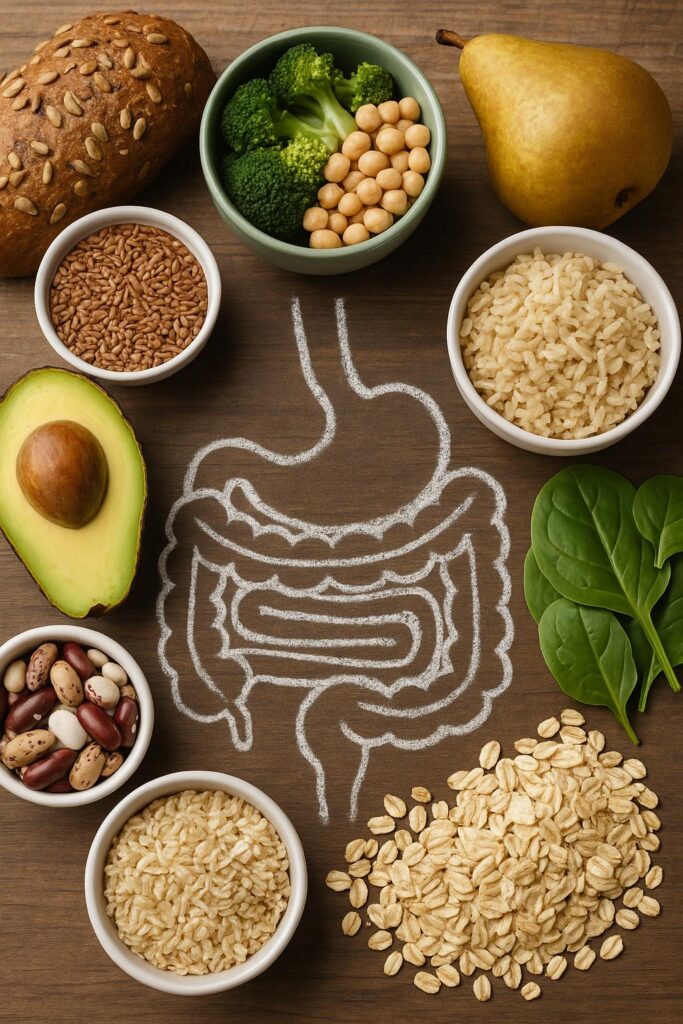
Several studies suggest that increasing dietary fibre may help reduce visceral fat
In one study conducted at the University of Southern California, 54 overweight Latino adolescents were asked to reduce their sugar intake by the equivalent of one can of soda per day and increase their fibre intake by eating one cup of beans. Those who consumed more fibre experienced reductions in both BMI and visceral fat (Ventura et al. 2009).
The same research group followed Latino adolescents over two years and found that even small decreases in fibre intake were associated with increased visceral fat (Davis et al. 2009).
Similar findings have been reported in other populations. A study involving 559 adolescents found that those who consumed more fibre had less visceral fat and lower levels of inflammation (Parikh et al. 2012).
These findings are supported by a review of 15 studies, which concluded that people who consume more whole grains—and therefore more fibre—tend to have lower levels of central obesity. The authors noted that people who consumed more whole grains also tended to follow healthier lifestyles overall, including exercising more, eating less fat, consuming more fibre and being less likely to smoke. (Horland et al. 2007).
Eating more fibre can be both nutritious and delicious. Visit my Healthy Recipes page for simple, fibre-rich recipes that support gut health and a healthy weight.

Key take-home messages
- Visceral fat is more harmful than subcutaneous fat.
- Ageing naturally increases visceral fat, but lifestyle has a major influence.
- Resistance exercise helps preserve muscle and reduce visceral fat gain.
- A fibre-rich diet supports a healthier weight and gut microbiome.
- Looking after your gut health may also help reduce visceral fat and inflammation.
Although some increase in belly fat is a natural part of ageing, it is not inevitable. Regular exercise, maintaining muscle mass, eating a fibre-rich diet and supporting a healthy gut microbiome can all help reduce visceral fat and improve long-term metabolic health.
Making lifestyle changes isn’t always easy, but with the right guidance, it can be much simpler. If you’d like personalised, evidence-based support, visit my website to learn more or book a free 15-minute discovery call.
References
Geiker, N.R.W et al. (2017). ‘Does stress influence sleep patterns, food intake, weight gain, abdominal obesity and weight loss interventions and vice versa?, Etiology and Pathophysiology, 19, pp. 81-97
Davis, J.N. et al. (2009). ‘Inverse relation between dietary fiber intake and visceral adiposity in overweight Latino youth’, The American Journal of Clinical Nutrition, (90)5, pp. 1160-1166
Gummesson, A. et al. (2012). ‘Intestinal Permeability Is Associated With Visceral Adiposity in Healthy Women’, The Obesity Society, (19)11, pp. 2280-2282
Horland, J.I et al. (2007). ‘Whole-grain intake as a marker of healthy body weight and adiposity’, Public Health Nutrition (11)6, pp. 554–563
Hunter, G.R. et al. (2010). ‘Age Related Shift in Visceral Fat’, Int J Body Compos Res, (8)3, pp.103–108
Palacios, S. et al. (2024). ‘Obesity and menopause’, Gynecological Endocrinology 40(1), pp.1-6
Parikh, S et al. (2012). ‘Adolescent Fiber Consumption Is Associated with Visceral Fat and Inflammatory Markers’ The Journal of Clinical Endocrinology & Metabolism, 97(8), pp. 1451-1557
Tavella et al. (2021). ‘Elevated gut microbiome abundance of Christensenellaceae, Porphyromonadaceae and Rikenellaceae is associated with reduced visceral adipose tissue and healthier metabolic profile in Italian elderly’, Gut Microbes (13)1
Ventura, E. et al (2009). ‘Reduction in Risk Factors for Type 2 Diabetes Mellitus in Response to a Low-Sugar, High-Fiber Dietary Intervention in Overweight Latino Adolescents’, Arch Pediatr Adolesc Med, (163)4, pp. 320-327