
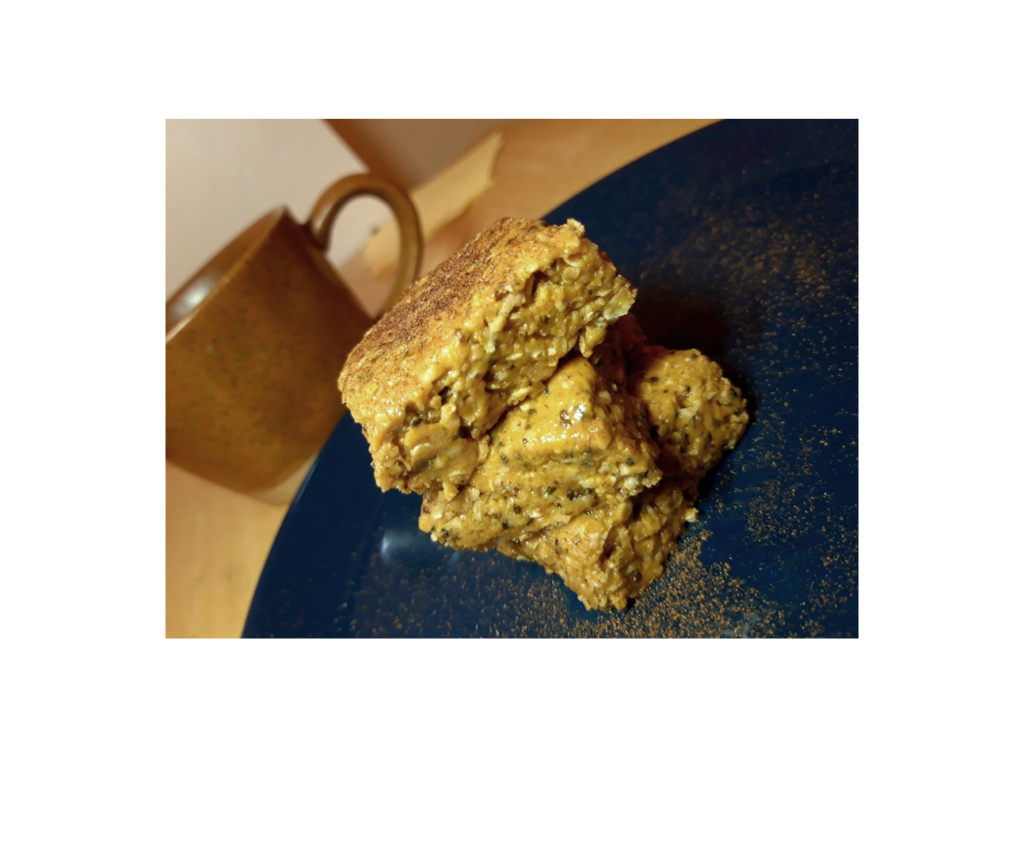
These no-bake peanut butter oat bars can make a nutritious snack as part of a healthy weight loss journey. Their combination of fibre, protein and healthy fats may help keep you feeling fuller for longer, making it easier to manage hunger between meals.
If you’re looking to support healthy weight loss or balance your hormones, a personalised approach can make a big difference. I offer nutritional therapy tailored to your individual needs — you can learn more about working with me on my website.: https://vikihealthyliving.com/
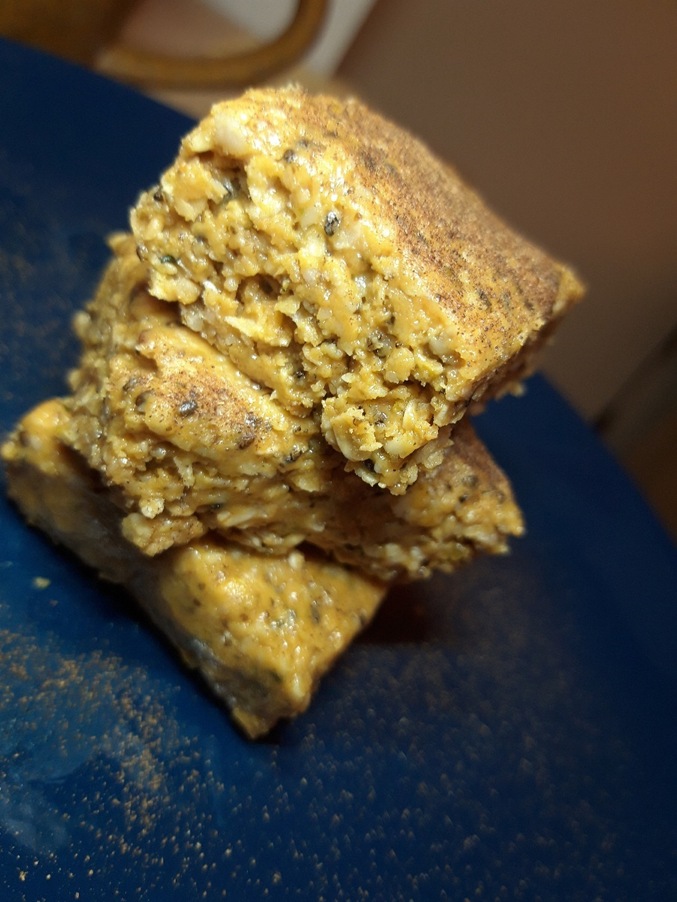
Ingredients:
- 200g peanut butter
- 15 g (1.5 heaped teaspoon) chia seeds
- 15 g hempseeds (3 tsp)
- 1.5 tsp chicory root fibre (5g) (optional)
- ¾ cup oats
- ¼ cup oat bran
- 1 tbsp raw honey
Method
In a bowl, add the peanut butter, seeds, chicory root fiber, and honey. Mix thoroughly until smooth and combined.
Stir in the oats and oat bran until everything is evenly coated. Transfer the mixture to a small tray or baking dish lined with parchment paper. Press it down firmly and smooth out the top. Refrigerate for at least 2–3 hours until set.
Slice into squares and enjoy!
| Nutrition Information | Per 1 Serving — 100g %Reference Intake RI |
| Energy 2079.3kJ / 496.6 kcal | 25% |
| Fat 34g | 49% |
| Of which Saturates 5.2g | 26% |
| Of which Mono-unsaturates 16.2g | |
| Of which Poly-unsaturates 8.9g | |
| Carbohydrate 26.9g | |
| Of which Sugars 8.2g | |
| Of which Starches 15.6g | |
| Fibre 11.1g | |
| Protein 20.2g | 40% |
| Salt 0g | 0% |
| Vitamin C 0.1 mg | 0% |
| Vitamin A 0.1 µg | 0% |
| Calcium 99.1mg | 12% |
| Iron 3.3 mg | 24% |
* Reference Intake Values are based on a 2,000 calorie diet. Your daily values may be higher or lower depending on your calorie needs.
Curious what makes these bars so nourishing? Let’s take a closer look at the ingredients and the health benefits they bring.
Almonds: Health Benefits for Heart, Weight and Blood Sugar
Almond are one of the most nutrient-dense nuts and have been widely studied for their role in supporting heart health, weight management, and blood sugar balance (Richardson et al. 2009).
Almonds and heart health
Research over the past decade shows that almonds may help lower cholesterol levels, particularly LDL (“bad”) cholesterol. This is largely due to their high content of monounsaturated and polyunsaturated fats, which are known to support cardiovascular health and reduce the risk of heart disease (Richardson et al. 2009).
A nutrient-rich snack
Almonds are packed with plant-based protein, dietary fibre, and essential nutrients. They are especially rich in vitamin E, a powerful antioxidant, as well as potassium and important trace minerals. Naturally low in sodium and high in potassium, almonds support overall health and wellbeing (Richardson et al. 2009).
Support for weight management
Despite being energy-dense, almonds can actually support healthy weight management. Their combination of protein, fibre, and healthy fats helps promote fullness and reduce overeating. Research suggests that when eaten in moderation, nuts like almonds do not contribute to weight gain (Richardson et al. 2009).
Blood sugar balance and metabolic health
Emerging evidence indicates that almonds may also help with blood sugar control, making them a smart choice for those looking to support metabolic health or reduce the risk of type 2 diabetes (Richardson et al. 2009).
Chia Seeds: Health Benefits for Heart, Blood Sugar and Gut Health
Chia seed (Salvia hispanica L.) have become increasingly popular thanks to their impressive nutritional profile and wide range of health benefits. They are naturally rich in omega-3 fatty acids, dietary fibre, and plant-based protein, making them a powerful addition to a healthy diet (Grancieri et al. 2019).
Rich in omega-3 and fibre
Chia seeds contain a high amount of omega-3 fatty acids, which support heart health and help reduce inflammation. They are also an excellent source of dietary fibre, which plays a key role in supporting gut health, digestion, and regular bowel movements (Grancieri et al. 2019).
Support for heart and metabolic health
Research suggests that chia seeds may help support:
- Healthy cholesterol levels
- Balanced blood sugar levels
- Healthy blood pressure
These benefits make chia seeds particularly useful for those looking to improve heart health and overall metabolic balance (Grancieri et al. 2019).
A satisfying and nourishing food
Thanks to their combination of fibre, protein, and healthy fats, chia seeds can help promote fullness and stable energy levels throughout the day. This makes them a great addition to meals and snacks, especially for those working on weight management.
Peanuts: Are They Healthy for Weight Loss and Overall Health?
Peanut are often misunderstood due to their high fat content, but they can actually be a nutritious and supportive food for overall health and weight management when eaten in the right amounts (Ciftci &Suna 2022).
Healthy fats and heart health
Although peanuts are high in fat, the majority comes from unsaturated fats, which are beneficial for heart health. They are naturally low in saturated fat and contain no cholesterol, making them a heart-friendly choice when included as part of a balanced diet (Ciftci &Suna 2022).
A good source of protein and nutrients
Peanuts are rich in plant-based protein, with a protein quality comparable to animal sources. As a legume, their nutritional profile is similar to foods like chickpeas and soybeans (Ciftci &Suna 2022).
They also provide a wide range of essential nutrients, including:
- B vitamins (important for energy production)
- Vitamin E (a powerful antioxidant)
- Dietary fibre (supports digestion and satiety) (Ciftci &Suna 2022).
Antioxidants and the benefits of roasting
Peanuts contain natural antioxidants, including tocopherols. Interestingly, roasting peanuts can increase their antioxidant capacity, due to natural chemical reactions that enhance beneficial compounds. Some studies suggest roasted peanuts may contain antioxidant levels comparable to berries, although more research is needed (Ciftci &Suna 2022).
Peanuts and weight management
Despite being calorie-dense, research shows that regular consumption of peanuts and other nuts is not linked to weight gain when eaten in moderation. In fact, they may support healthy weight management by:
- Increasing fullness and satiety
- Reducing overall calorie intake
- Slightly increasing energy expenditure (Ciftci &Suna 2022)
However, portion size is important. Overeating — for example, significantly increasing intake such as large amounts of peanut butter — may lead to weight gain.
Chicory Root Fibre: Benefits for Gut Health, Blood Sugar and Weight Management
Chicory root is a rich source of inulin, a type of dietary fibre that has gained attention for its role in supporting gut health, metabolism, and weight management.
Supports beneficial gut bacteria
Chicory root fibre acts as a prebiotic, meaning it feeds beneficial gut bacteria. Research shows that supplementation can increase levels of helpful microbes such as Bifidobacterium and Anaerostipes, which play a role in producing important compounds for gut and metabolic health (Omary et al. 2025).
These bacteria help produce Short-chain fatty acids like Butyrate and Acetate, which support the gut lining, reduce inflammation, and influence metabolism (Omary et al. 2025).
Benefits for blood sugar and metabolic health
A 12-week clinical study found that chicory root fibre may help improve:
- Insulin sensitivity
- Blood lipid levels (including triglycerides)
- Fat storage in the liver (Omary et al. 2025)
These changes suggest that increasing intake of slowly fermented fibres like chicory root may support better blood sugar control and overall metabolic health (Omary et al. 2025).
Tolerance and digestion
Chicory root fibre is generally well tolerated, especially when introduced gradually. Some people may experience mild digestive symptoms such as increased gas, which is common when increasing fibre intake.
Potential support for weight management
Although this particular study did not show significant weight loss over 12 weeks, it did find positive changes in how the body stores and uses fat. For example, there were improvements in fat cells and markers of metabolic health, which may support long-term weight management (Reimer et al. 2023).
Other research, including a meta-analysis, suggests that chicory root fibre may help support:
- Reduced body weight and BMI
- Lower body fat and waist circumference
These effects may be linked to improved gut microbiota balance, increased satiety, and better metabolic regulation (Reimer et al. 2023).
Hemp Seeds: The Nutrient-Dense Superfood Your Diet Might Be Missing
These small but powerful seeds are packed with healthy fats, complete protein, dietary fibre, and essential minerals, making them a valuable addition to a balanced diet.
Whether you’re focused on heart health, digestion, or plant-based nutrition, hemp seeds deliver benefits backed by scientific research.
Rich in Heart-Healthy Fats
One of the standout benefits of hemp seeds is their exceptional fat profile. Hempseed oil contains up to 90% unsaturated fatty acids, with 70–80% coming from polyunsaturated fatty acids (PUFAs).
These healthy fats are known to:
- Support cardiovascular health
- Help reduce inflammation
- Contribute to balanced cholesterol levels
At the same time, hemp seeds are naturally low in saturated fats, making them a smart choice for heart-conscious diets (Farinon et al. 2020).
A Complete Plant-Based Protein Source
Hemp seeds are a complete protein (comparable digestibility to legumes like lentils), meaning they provide all the essential amino acids (EAAs) your body needs (Farinon et al. 2020).
Even better, removing the outer shell (hulled hemp seeds) can increase protein digestibility from ~85% to nearly 95% (Farinon et al. 2020).
High in Fibre for Gut Health
Hemp seeds are an excellent source of dietary fibre, particularly insoluble fibre, which plays a vital role in digestive health.
Benefits of hemp fibre include:
- Improved insulin sensitivity
- Better appetite control and reduced overeating
- Support for weight management
- Lower LDL (“bad”) cholesterol levels (Farinon et al. 2020).
Because this fibre isn’t digested in the small intestine, it reaches the colon where it feeds beneficial gut bacteria. This process produces short-chain fatty acids, which have anti-inflammatory and potential anti-cancer properties (Farinon et al. 2020).
Looking for personalised support?
If you’re looking to support healthy weight loss or balance your hormones, a personalised approach can make a big difference. I offer nutritional therapy tailored to your individual needs — you can learn more about working with me on my website: https://vikihealthyliving.com/
References:
Ciftci, S. Suna, G. (2022). ‘Functional components of peanuts (Arachis Hypogaea L.) and health benefits: A review’, Future Foods (5)
Farinon, B. et al. (2020). ‘The Seed of Industrial Hemp (Cannabis sativa L.): Nutritional Quality and Potential Functionality for Human Health and Nutrition’ Nutrients (12)7
Grancieri, M. et al. (2019). ‘Chia Seed (Salvia hispanica L.) as a Source of Proteins and Bioactive Peptides with Health Benefits: A Review’, Comprehensive Reviews in Food Science and Food Safety, 19
Omary, L. et al. (2025). ‘Intrinsic chicory root fibres modulate colonic microbial butyrate-producing pathways and improve insulin sensitivity in individuals with obesity’, Cell Reports Medicine, 6(7), pp.1-17
Reimer, A.R. et al. (2025). ‘The effects of chicory inulin-type fructans supplementation on weight management outcomes: systematic review, meta-analysis, and meta-regression of randomized controlled trials’, The American Journal of Clinical Nutrition, 120(5), pp. 1245-1258
Richardson, D.P. (2009). ‘The nutritional and health benefits of almonds: a healthy food choice’, International Food Information Service (6)4.pp. 41-50